Magnum photographer Olivia Arthur and photographer and curator Philipp Ebeling on their shifting practices, the London photo space they established, and “the different lives photo projects can have”
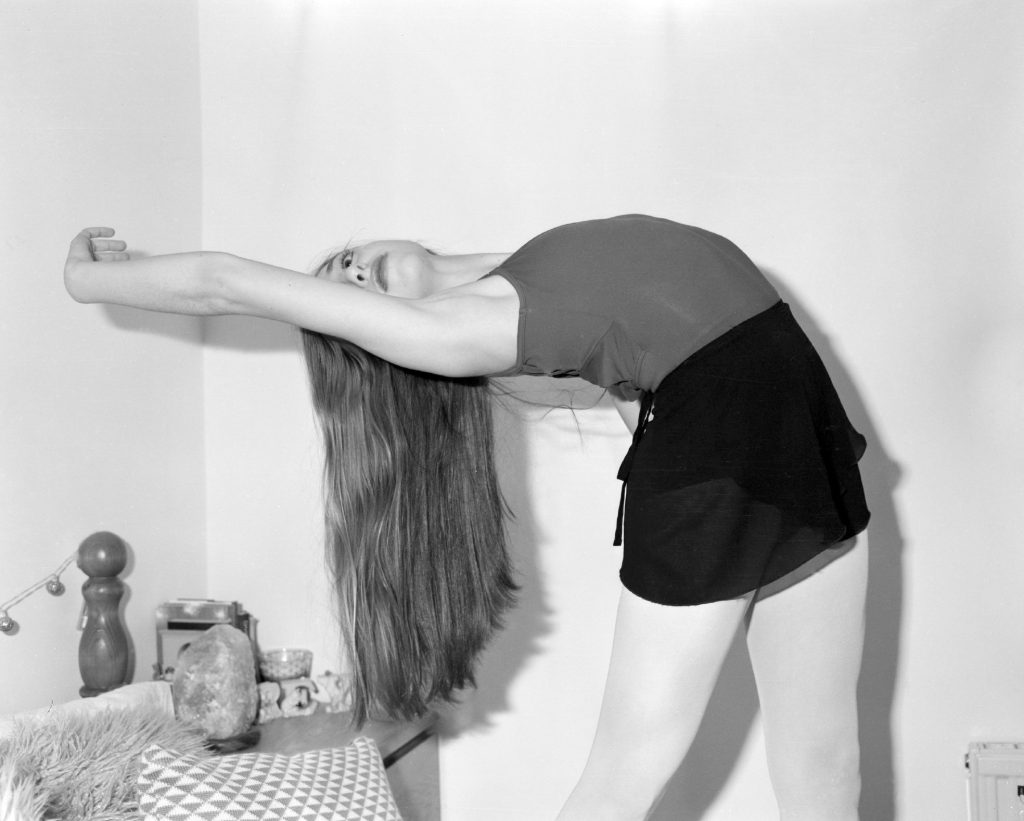
Olivia, you’re a photographer working in diverse mediums, and Philipp, you’re an experimental filmmaker, editor, and curator in addition to being a photographer. Can you speak to your individual practices and talk about how they overlap?
Philipp: I have always used photography to help me make sense of the world around me, what is closest to me, and what is in a sense hardest to see. For example, I left home in Germany aged 19 to move to London and returned 10 years later to understand the place I had grown up in, its complicated relationship with its past, and its awkwardly conservative ordinariness that had led me to leave so many years ago. This series resulted in my first book, Land Without Past. More recently, I have made a book called Closer, about the joys and trials of living with two young children and the conflicting feeling of a world shrinking around me while, as a parent, a whole new world is opening up.
I have always enjoyed editing and sequencing images, other photographers’ as well as my own, and have felt that working towards a book is the most satisfying and enduring way of showing images. So 15 years ago, Olivia and I started Fishbar, a space for photography in an old fish & chips shop in East London. The purpose of Fishbar was, and still is, to bring photographers together, edit and show work, and help others and ourselves to develop, finalise, and output photography projects and, crucially, to effectively address audiences. Over the first 10 years, we published books, zines, and pamphlets, staged group and solo exhibitions, and ran a very successful photobook market with other small publishers and self-publishing photographers. More recently, I have taken the experience of running Fishbar and have curated photography exhibitions away from the Fishbar space with Magnum photographers in China, France (Arles), and London, as well as spent five years teaching in the BA Photojournalism course at LCC in London.
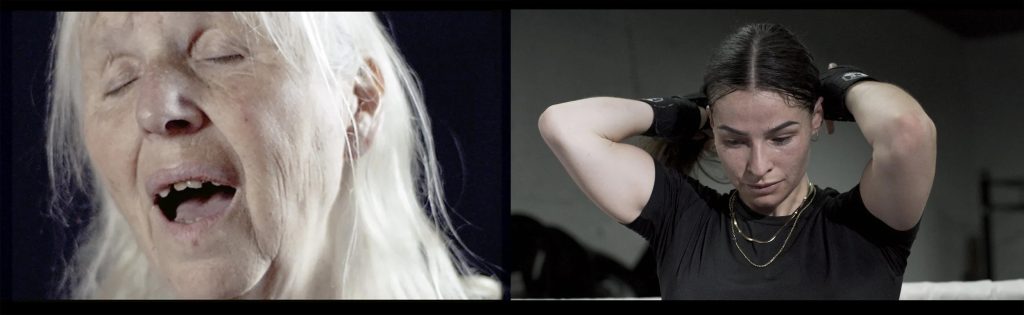
My personal practice over this period has moved away from pure still images, and I have begun working with sound and moving images. Initially, this began with editing sequences of still images to sounds, and then beginning with the “TiChan” project, I started sound recording and filming alongside Olivia, working on still images (more about this later). Most recently, I have made a two-channel, surround-sound installation piece on the subject of bodies processing trauma, working with jazz vocalist Maggie Nicols and sound artists Nimzo studio.
Olivia: I’ve been a photographer for just over 20 years, and in that time my practice has evolved quite substantially. I began working very much as a photojournalist. I was based in Delhi and worked for various newspapers and magazines. After a few years like that, I found myself drawn to working on longer, slower stories. I found myself wanting to tell stories about women and the different ways that they are treated by different cultures, and this evolved into my first long-term project. At the time, I had been invited for a one-year residency at Fabrica in Italy, which is also where Philipp and I met, because he was also doing a residency there in the photography department.
So I began working on a long series about women and the borders of Europe and Asia. This, in turn, evolved into my working in Saudi Arabia and having to find a way to bring an audience into a hidden world without showing people or faces that didn’t want to be seen. It was the first time my work deviated from something directly documentary, as I have to find a way to intervene and protect identities. In many ways, this became a work about questioning photography and its role, and we published it through Fishbar.
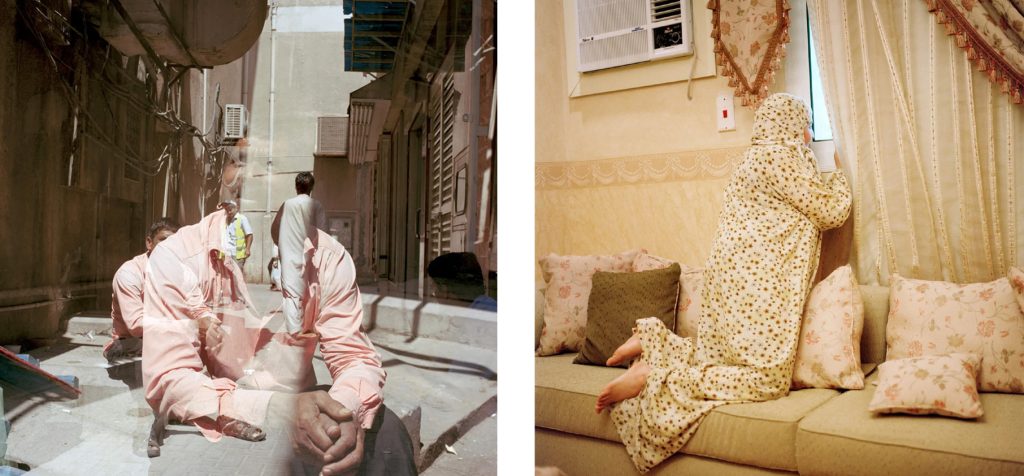
Following that, I made work in Dubai that experimented with layering photographs on top of each other to capture the fragmented feeling of the city and to reference the drowning of people from a shipwreck that happened in 1961. I think around this point I began to realise that I was keen to work with photography in ways that went beyond just single images. Text was always an important element and I began to play with pieces of text as fragments or vignettes that could be photographs themselves.
More recently, I have been working with collage and multiple exposures to bring people into abstract worlds that are derived from reality but leave a little bit more space for imagination. In the same way that layering all of these things together has become important in my practice, Philipp’s move into moving image also presented an opportunity for us to combine and layer our work together. This has all come together for our ongoing project with Charlotte (TiChan), whose transformation we continue to follow.
I’m curious about the projects you collaborate on, and your creative process as a team. For example, you’re working together to tell the story of a trans woman in France through the mediums of photography and film (“TiChan”). What was the inspiration for the project? Why did you choose this woman? What form will the story eventually take?
Philipp: In our daily lives, we have distinct practices that have us going our own ways and asking our own questions. But we are also a creative team in many ways. For example, we would not put out a sequence of images, be that for a commercial client or more importantly for a personal project, without consulting the other first. We would run our ideas past each other, sometimes to seek reassurance, but often also for creative input. It’s a relationship that has grown over nearly 20 years and is important to both our practices in different ways.
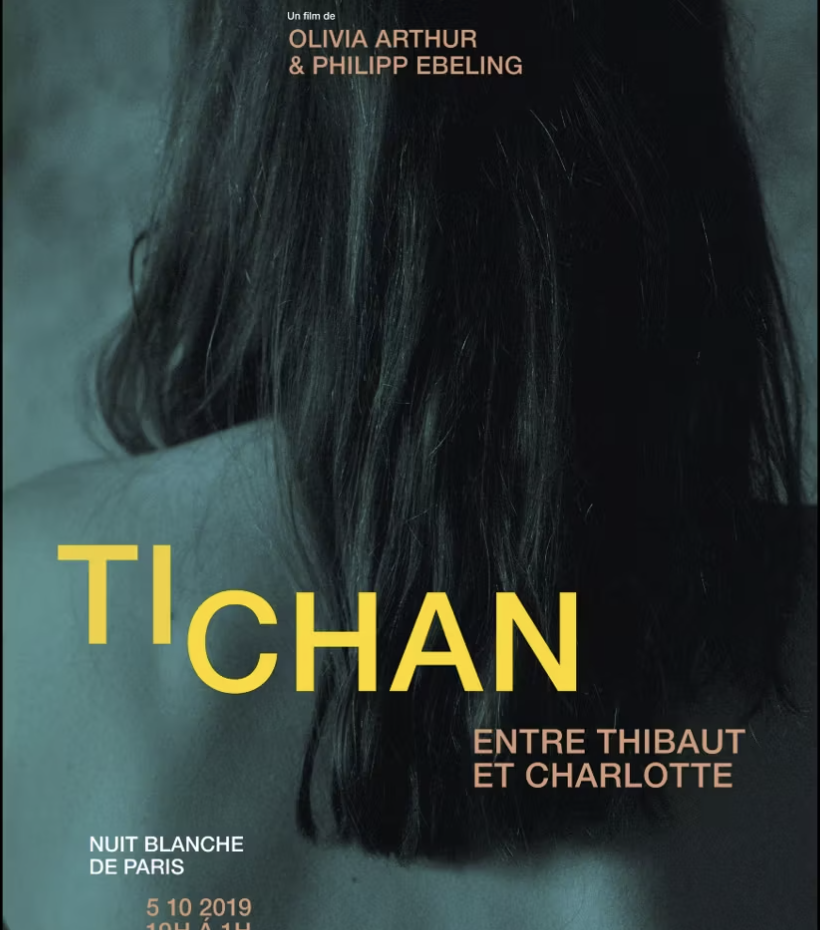
The TiChan project started with her writing a letter to Magnum Paris asking to be documented ( a rather unusual way for a personal project to start!). Olivia had just done a body of work in the trans community, so she started a conversation with Tichan. Since the physical transformation would take many years with the French health service, we decided together it would be great to film, do interviews, as well as do still images. Initially, we thought about this as separate activities—do still images, then do filming—but it became clear quite quickly that we would both work on both aspects. We had done a joint photography project before, but this would be the most involved and long-term creative project we have done together, not counting everything we do with Fishbar. The project started life as a series of still images and a multi-channel video sound piece, and we are currently working on shaping it into a medium short film that can run at festivals.
Olivia: Philipp has described this well, and yes, our process is a constant back and forth between each other. But, of course, prior to this we had learnt to work together when we began running Fishbar. It’s a small operation, and so other than the occasional work placements and assistants, we have largely run all aspects of Fishbar ourselves, from choosing projects and editing and shaping them to installing exhibitions and going on press with books. We have also done the promotion and outreach ourselves, making it all a very involved mission. We are a full two-man-band. But understanding every aspect does help us to keep on top of it all and have a really rounded view of what it takes to put work out in the world in these different ways.
What do the early stages of a project look like? I’m referring to the development process, when ideas have not yet cohered but there’s a thread you’re pursuing. What are some of the ways you explore the potential of an idea, and what steps do you take to distill it?
Olivia: For me it is very open. I try to spread my arms as wide as possible and not be too fixated on any particular outcome. I think it is important to be open to respond to what happens in the process or what you come across that takes the work in a different direction. This approach of course leaves a lot to be done in the distilling and editing stage, and I think this is a process that begins while you are still working, that you start to narrow down and focus in on the parts that feel most important. Guiding this process is one of the most difficult parts, I find, and I think for others too, because I see a lot of people who make beautiful work but struggle to work out what they want it to say. Checking in with yourself and with other people whose opinions you trust during these stages is one of the most important things in making a project come alive.
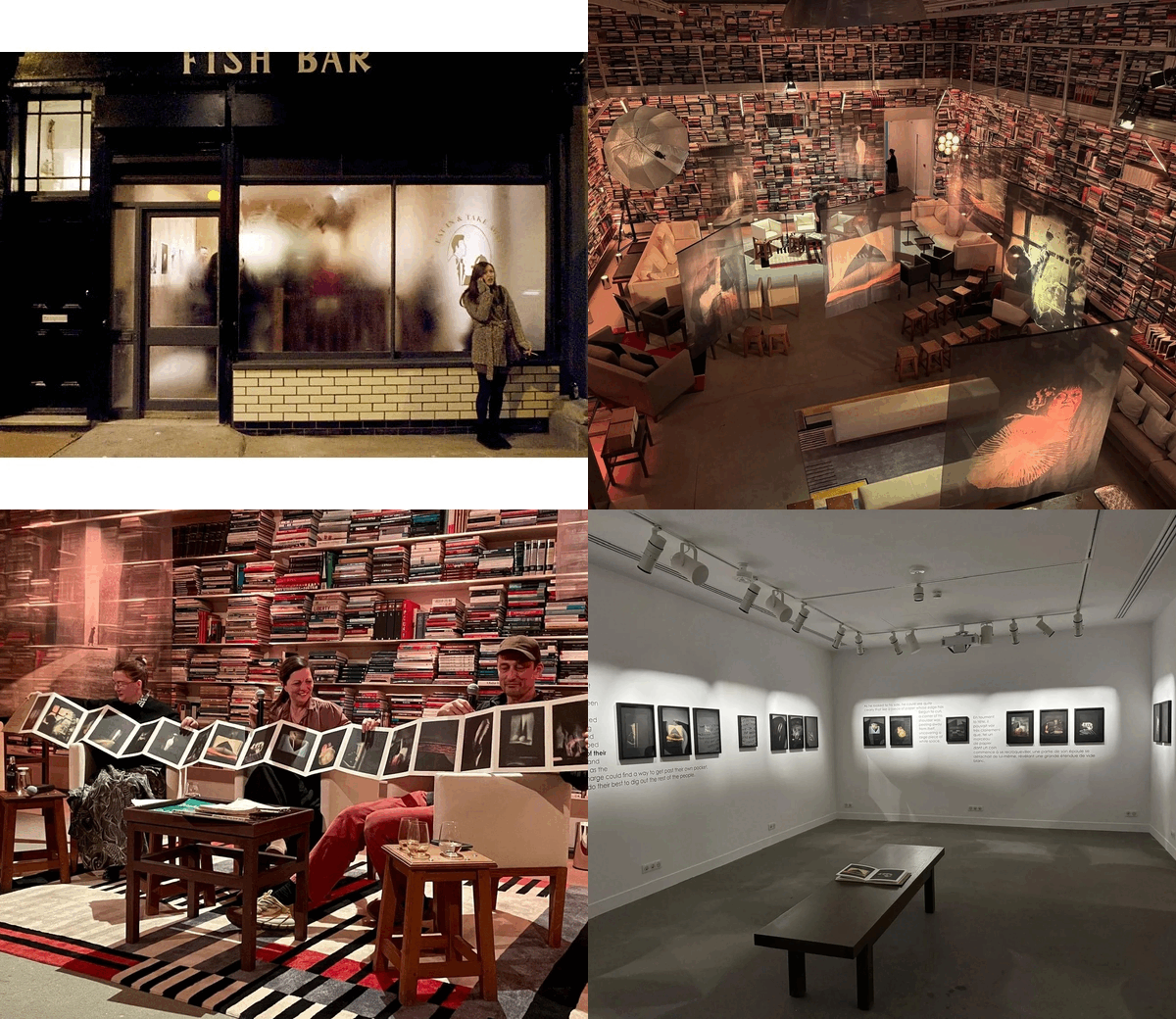
Together, you co-founded London-based Fishbar, which publishes photo books and presents exhibitions. What was your ambition for Fishbar when you started, and how has the programming—and the audience—evolved since then?
Philipp: Initially, Fishbar was born out of a frustration that there simply weren’t enough spaces for interesting photography, the way we saw it, in London. This was in 2009, before Peckham 24 and all their activities, and The Photographers Gallery was moving to a new space and had shut down. And lots of magazines were shutting down left, right, and centre. So, we thought we’d do something about it. We found a space and, full of enthusiasm, began showing work, publishing, bringing people together—in many ways, it was a labour of love, a real passion project. We loved doing Fishbar, but we also didn’t have kids then. That changed, and slowly it became too hard to do everything: individual careers,, raising two children, gallery, publishing, etc. So, Fishbar went on the backburner for a few years.
Then I began curating photography exhibitions, first with Olivia’s work then with other Magnum photographers and, more recently, Fishbar has become involved again as a production company and to help with bringing audiences to shows that we have put on not at our own space.
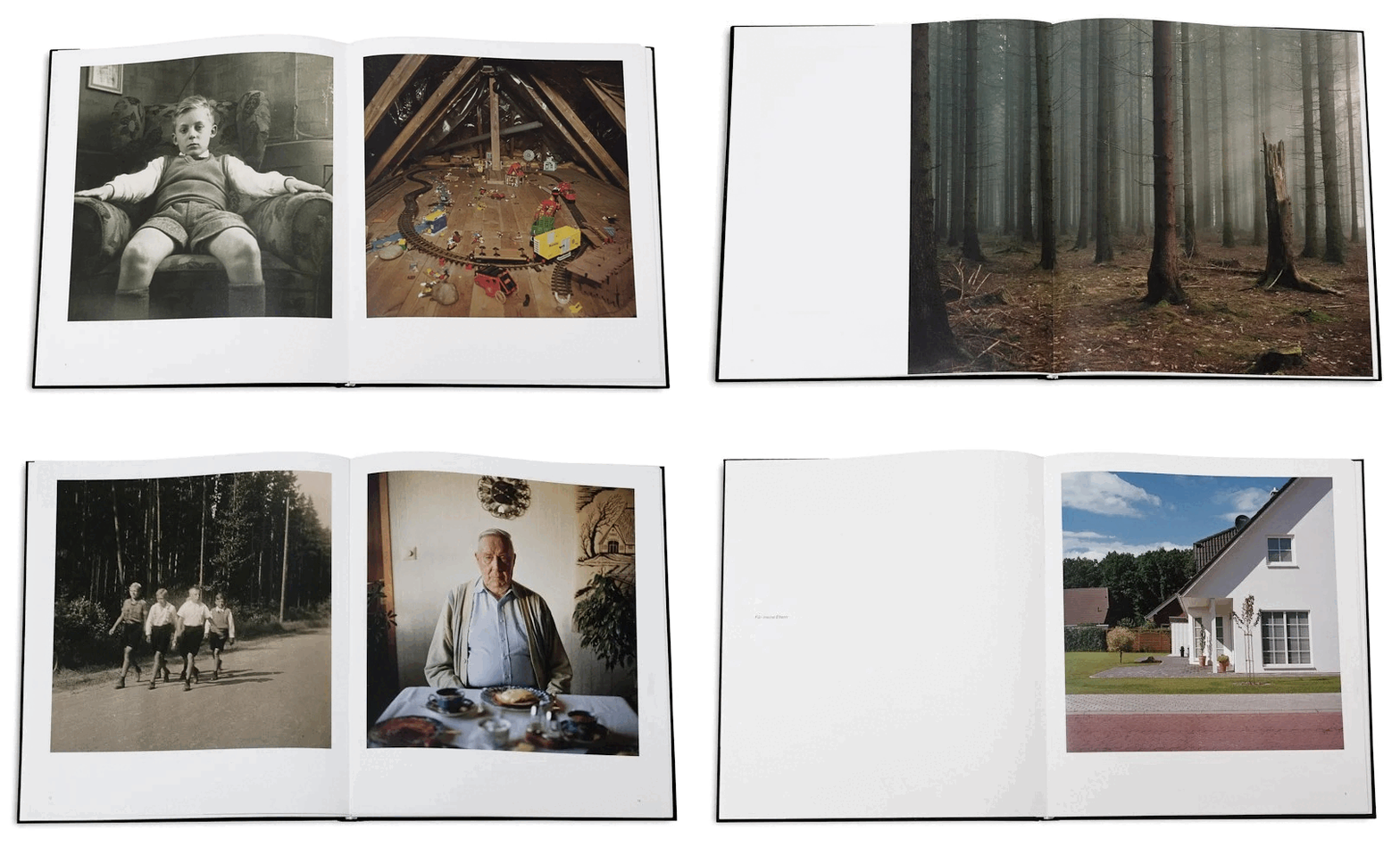
Philipp, as a curator, how do you shape an exhibition? What kinds of considerations are top of mind, and how do you work with an artist (or artists) to bring a show to life?
My first consideration when approaching a body of work is the work itself and the relationship it has to the artist. Why and how have they made it. I need to know the backstory, the history of its creation. What is it about, and is the artist clear what the work is about? Often, it is extremely helpful to have an elevator pitch to describe the work. Some artists come ready with it, others find it painful or distasteful. I tend to try and push for a distilled version of what the work is about, but I am also aware that some bodies of work simply emanate out of a narrative or an investigation and cannot be neatly summed up. But anyway, it’s an important first conversation to have before curation can begin.
Next, I need to react to the space. The volume, the way people will move in it, the wall space, the air space, the light, etc; and I need to know what budget we have so that I can calibrate right from the start the ambition of the curation to somewhat match that budget…
All this will typically happen first but is an evolving part of every show.
Then the main part of the curation can begin, which is working with the photographers on the edit, the selection, and the sequencing as well as sizes, frames, and lighting, etc. Some photographers have very clear ideas how they want to show works, and some are open to suggestions. I see my role as helping to shape works, to distill them, to cut fat, and to help make the maximum impact on the audience while being as true to the works as possible.
In addition, if it’s a group show, part of my job is to think about the narrative that evolves between the different artworks, how they will relate to one another, how they speak to each other. To make sure neighbouring pieces don’t clash but complement each other, etc.
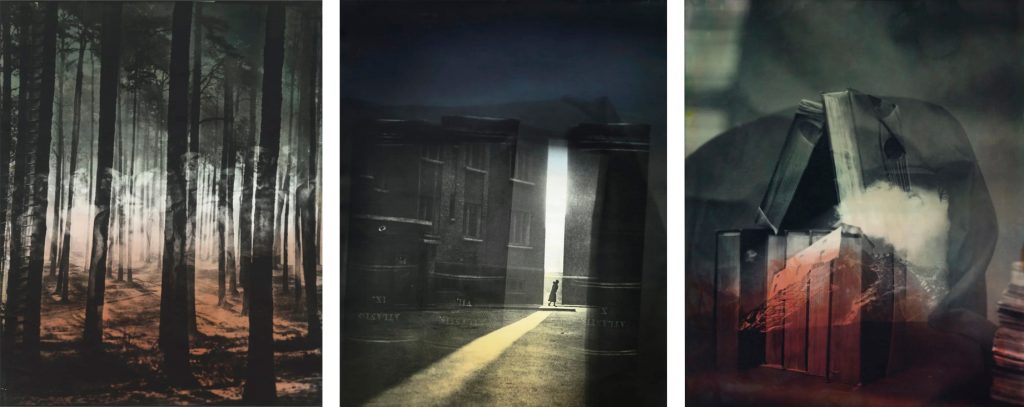
residency at Librairie 7L, the former studio of Karl Largerfeld, which houses his 33,000 books.
Our world is saturated with imagery—one could almost argue that visuals are now the primary form of communication. Against this backdrop, what drives you to create your work, and what continues to inspire you as artists?
Olivia: Yes, we are completely saturated with images and photographs, and it can be disorientating, and it can make some of us wonder why we should add our photographs to the big noise out there. But I think in a way this saturation also frees us up from making images just for themselves, and pushes us further into putting together work that has something to say, that comes from our particular point of view and becomes far more interesting and unique because of it. I am less interested in what images show us than how they make us feel, and I think that as artists if we are pushed further to make sure we reach people emotionally and trigger their imaginations, then we are making more interesting work.